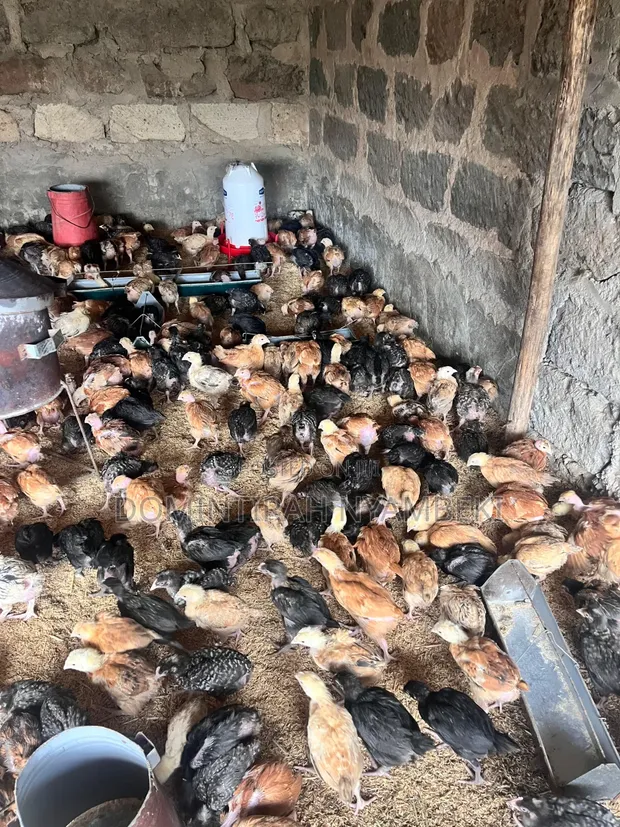
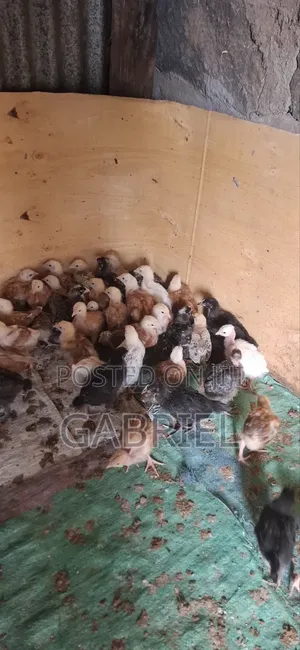
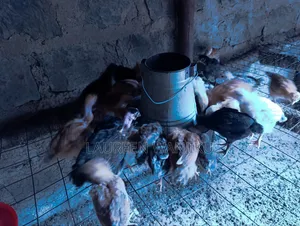
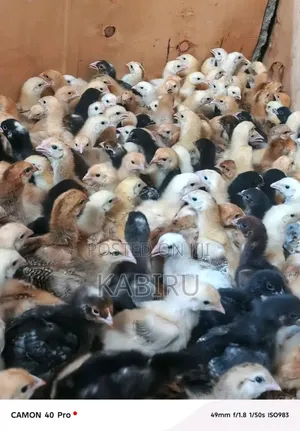
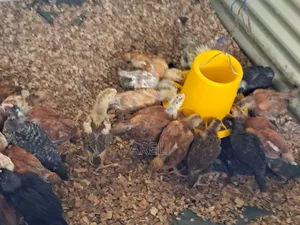
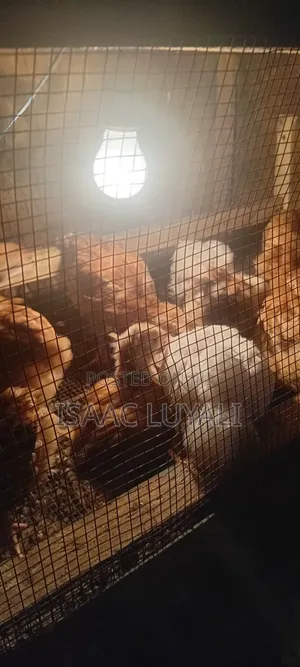
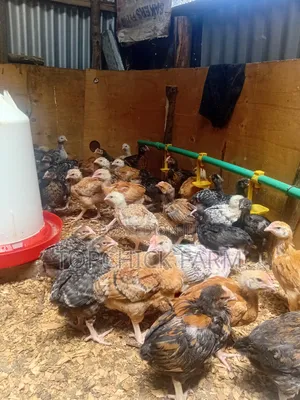
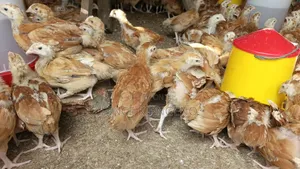
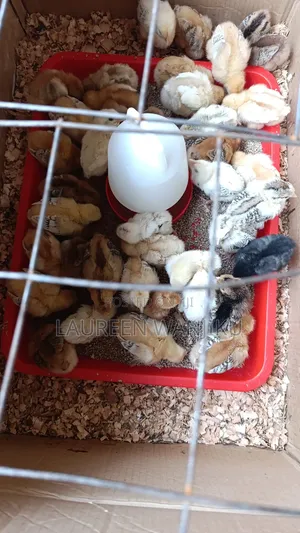
Improved Kienyeji Chicks - 1 & 2 Months Old

Improved Kienyeji Chicks - 1 & 2 Months Old - 1

Price Analysis Great Deal

Based on 178 similar listings

Market Demand

High Demand

Details

Type
Chickens
Quantity
1

Improved Kienyeji Chicks - 1 & 2 Months Old Highlights

  • Early Growth Stage: Chicks at 1-2 months are past the fragile newborn stage and are developing their adult feathers. They require a warm environment, typically around 70-80°F, and a starter feed formulated for young poultry.
  • Sexing Accuracy: While some breeds are auto-sexing, many chicks at this age are not definitively sexed. Buyers may receive a mix of hens and roosters, which is important to consider for flock management and egg production goals.
  • Vaccination Status: Reputable hatcheries often vaccinate chicks against common diseases like Marek's disease and infectious bronchitis. Buyers should inquire about vaccination history to understand the flock's health protection.
  • Dietary Needs: Young chicks require a high-protein starter feed (around 20-24% protein) to support rapid growth and feather development. This diet should be provided until they are about 6-8 weeks old, then transitioned to a grower feed.
  • Socialization and Space: Chicks are social animals and benefit from being kept in groups. As they grow, they will need increasing amounts of space to prevent stress and encourage healthy development. Overcrowding can lead to pecking and disease.
  • Future Laying Potential: Pullets (young hens) will begin to lay eggs typically between 5-7 months of age, depending on breed and environmental factors. The quality and quantity of eggs will be influenced by their diet and overall health.

Description

• Improved Kienyeji chicks available. • Offered in two age groups: 1 month old and 2 months old. • Kienyeji chickens are known for their hardiness and adaptability to local conditions. • They typically lay brown eggs and are favored for their meat quality. • These chicks are suitable for backyard farming or small-scale poultry operations. • Require standard poultry feed and clean water for optimal growth.