KSh 20,000
Juncao Grass Cuttings - High Biomass
Nairobi Central • 2 d ago
Based on 126 similar listings
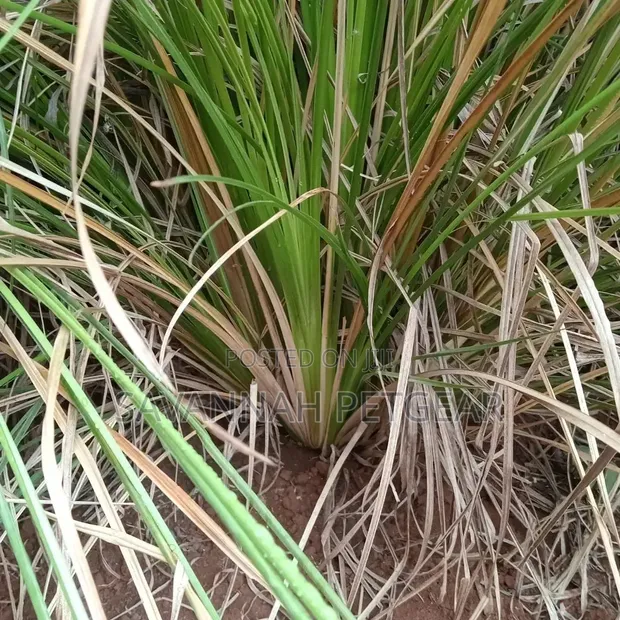
• Vetiver grass (Chrysopogon zizanioides) is a perennial bunchgrass used for soil and water conservation. • Ideal for establishing vegetative barriers to control soil erosion on slopes, farms, and roadsides. • Promotes land restoration and sustainable agriculture by improving soil structure and fertility. • Each split consists of multiple tillers with established root systems, ready for planting. • Quantity: 1000 splits, sufficient to cover approximately 100-200 meters of contour barrier depending on spacing. • Origin: Grown locally in Kenya, adapted to various soil types and climatic conditions. • Best planted during the rainy season for optimal establishment.
 This item This item1000 Splits of Vetiver Grass for Soil Erosion Control KSh 22,000 | 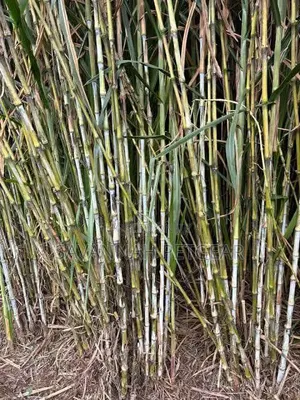 Juncao Grass Cuttings - High Biomass KSh 20,000 | 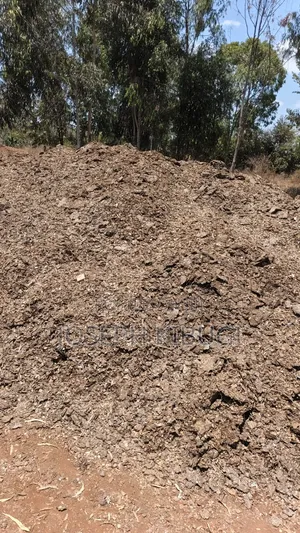 Manure for Sale KSh 25,000 | |
|---|---|---|---|
| Type | Other | Other | Fertilizers |
| Price | KSh 22,000 | KSh 20,000 | KSh 25,000 |