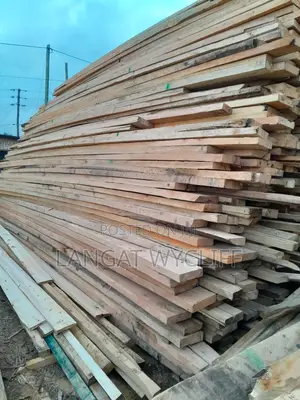
KSh 36
Sustainable Timber Production
Gilgil • 1 d ago
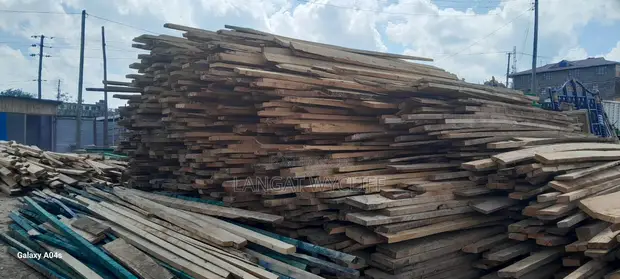
• Understanding wood moisture content is crucial for selecting the right timber for construction and furniture projects. • Proper moisture levels prevent warping, cracking, and fungal decay. • Kiln-dried lumber typically has a moisture content of 6-8%, ideal for indoor use. • Air-dried lumber can range from 12-18%, suitable for outdoor applications where some movement is acceptable. • High moisture content (above 20%) in timber can lead to structural issues and pest infestations. • We provide guidance on identifying and selecting wood with appropriate moisture levels for your specific needs in Kenya's climate.
 This item Moisture Content in Wood KSh 28 | 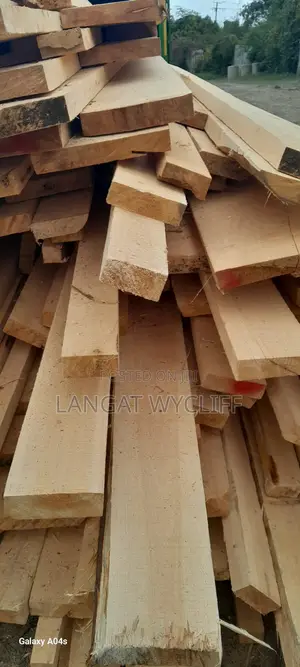 Sustainable Timber Production KSh 36 |  Timber - Various Strengths, Textures, Colours & Grains KSh 30 | |
|---|---|---|---|
| Type | Other | Timber | Other |
| Price | KSh 28 | KSh 36 | KSh 30 |
KSh 36
KSh 30
KSh 36
KSh 32
KSh 33
KSh 28
KSh 36
KSh 22