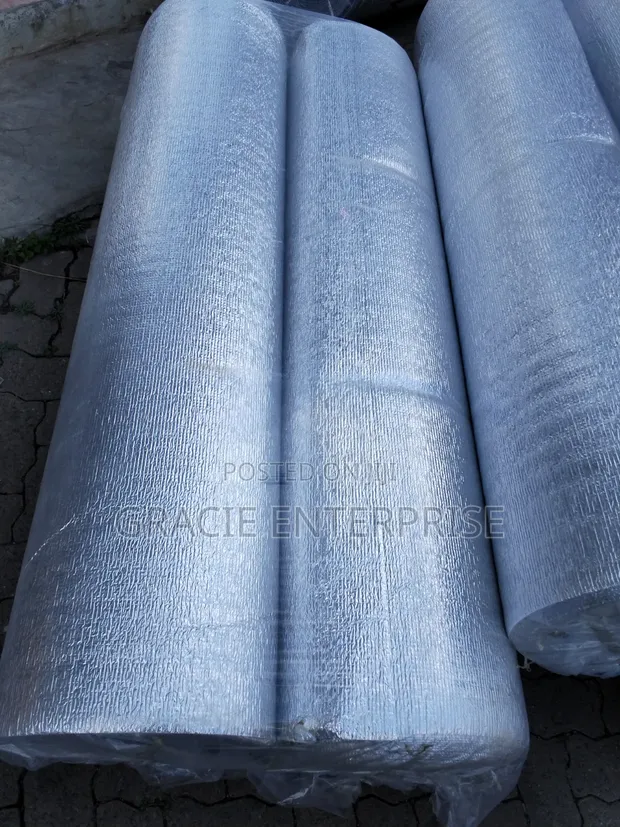
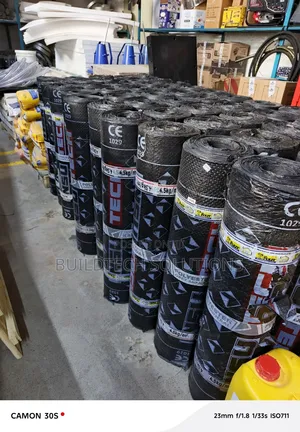
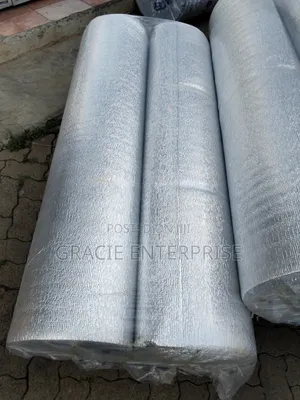
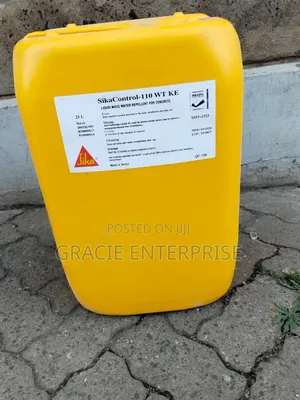
Roof Thermal Insulation Heat Insulator

Roof Thermal Insulation Heat Insulator - 1
1 / 3

Price Analysis Above Market

Based on 2194 similar listings

Market Demand

High Demand

Details

Type
Construction Adhesive

Roof Thermal Insulation Heat Insulator Highlights

  • Durable Material Composition: Roof thermal insulation is typically made from materials like fiberglass, mineral wool, or foam. These materials are chosen for their excellent thermal resistance and ability to withstand varying weather conditions over time.
  • Effective Heat Barrier: This type of insulation works by creating a barrier that significantly reduces heat transfer. It helps keep buildings cooler in the summer and warmer in the winter, leading to improved energy efficiency.
  • Moisture Resistance Properties: Good quality roof insulation should offer resistance to moisture. This prevents water absorption, which can degrade the insulation's effectiveness and potentially lead to structural damage or mold growth.
  • Fire Retardant Qualities: Many thermal insulation products are designed with fire retardant properties. This is a crucial safety feature for building materials, helping to slow the spread of flames in case of a fire.
  • Ease of Installation: Roof thermal insulation is generally designed for straightforward installation, whether it's rolls, batts, or spray foam. Proper installation is key to achieving optimal performance and longevity.

Description

• Thermal insulation materials and techniques slow heat transfer between indoor and outdoor spaces. • Works by blocking conduction (through solids), convection (through air/liquids), and radiation (electromagnetic waves). • Reduces energy consumption for heating and cooling. • Improves indoor comfort by maintaining stable temperatures. • Can help prevent condensation on roof surfaces. • Suitable for residential and commercial buildings. • Available in various forms like rolls, batts, or spray foam.