KSh 9,699
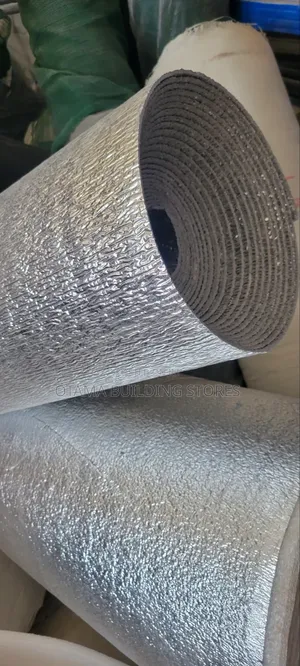
Heat Flow Regulator and Insulation 2mm
Industrial Area (Nairobi) • 2 d ago
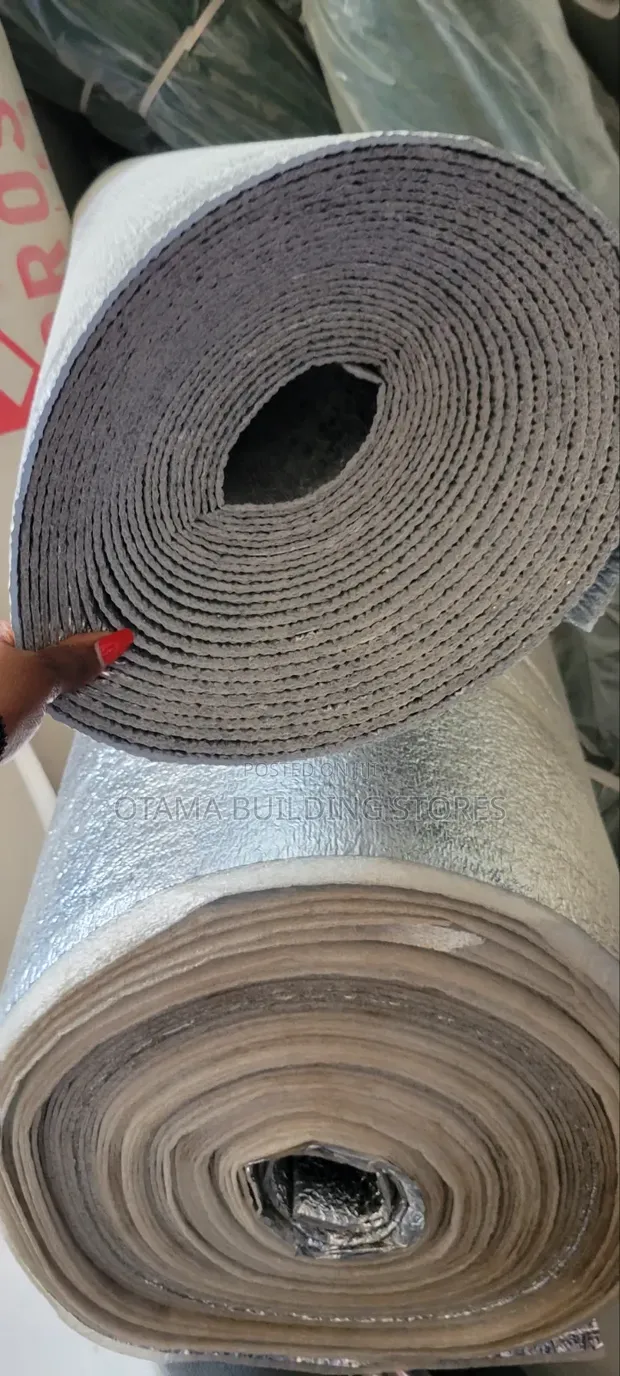
• High-quality thermal insulation material designed to reduce heat transfer. • Helps maintain comfortable indoor temperatures and improve energy efficiency. • Suitable for roofs, walls, ceilings, warehouses, offices, homes, and industrial buildings. • Reduces heat and temperature transfer effectively. • Easy to install for various construction projects. • Insulation blankets type, providing excellent thermal resistance.
 This item Thermal Insulation Material KSh 8,500 | 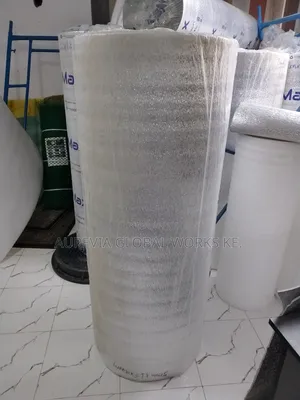 Heat Flow Regulator and Insulation 2mm KSh 9,699 | 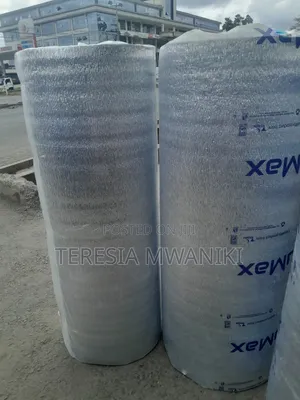 Reflective Aluminium Foil Insulation 2mm KSh 8,500 | |
|---|---|---|---|
| Type | Insulation Blankets | Insulation Blankets | Insulation Blankets |
| Price | KSh 8,500 | KSh 9,699 | KSh 8,500 |
KSh 9,699
KSh 8,500
KSh 8,500
KSh 5,999
KSh 6,500
KSh 6,500
KSh 5,999
KSh 6,000