Enhanced Wireless Coverage — Dual antenna routers typically offer improved signal strength and broader coverage compared to single antenna models. This helps minimize dead zones and provides a more stable connection throughout your home or office.
Reliable Connectivity — Wireless N (Wi-Fi 4) routers, often supporting speeds up to 300 Mbps, are suitable for everyday internet use. They provide a stable connection for browsing, streaming standard definition video, and online gaming.
Easy Setup & Management — Most modern Wi-Fi routers are designed for straightforward installation. They often include a web-based interface for easy configuration of network settings, security protocols, and parental controls.
Wired Connection Options — In addition to wireless capabilities, these routers usually include multiple Ethernet ports. These ports allow for stable, high-speed wired connections to devices like desktop computers, smart TVs, or gaming consoles.
Network Security Features — Standard Wi-Fi routers come equipped with essential security protocols like WPA2. These features help protect your network from unauthorized access and keep your data secure.
Description
• Dual external antennas extend Wi-Fi coverage, eliminating dead zones in large rooms.
• Four LAN ports allow seamless connection of multiple wired devices like PCs, smart TVs, or gaming consoles.
• PON and LOS indicators provide real-time status tracking for reliable fiber optic connections.
• Integrated USB port enables network sharing of peripherals such as printers or external storage.
• WPS functionality offers a secure and easy way to connect new wireless devices to the network.
• This Huawei router model is designed for stable home or small office network performance.

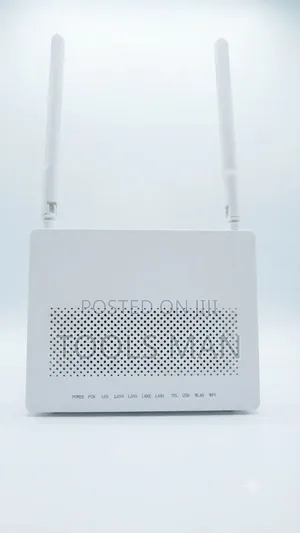 This itemHuawei Dual Antenna Wireless Wi-Fi Router
 Huawei 4G CPE 3 LTE WiFi Router
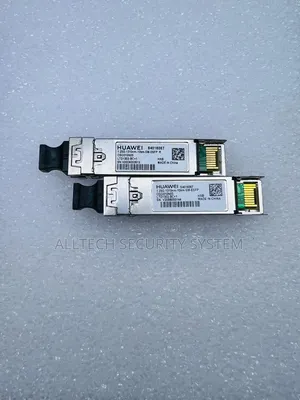 Brand New Huawei SFP Module for 10km


