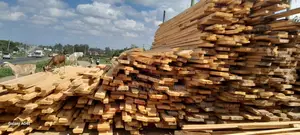
Wood Varieties for Joinery

Wood Varieties for Joinery - 1
1 / 2

Details

Type
Other

Wood Varieties for Joinery Highlights

  • Wood Durability & Strength: Different wood species offer varying levels of hardness, density, and resistance to decay and insects. This impacts their suitability for different applications, from structural framing to decorative finishes.
  • Grain Patterns & Aesthetics: The natural grain patterns and color variations in wood contribute significantly to its aesthetic appeal. These characteristics can range from subtle and uniform to bold and distinctive, influencing the final look of a project.
  • Moisture Content & Stability: Properly dried wood is crucial for stability, minimizing warping, cracking, and shrinking after installation. Kiln-dried lumber typically has a lower and more consistent moisture content than air-dried wood.
  • Sustainability & Sourcing: Consider wood sourced from sustainably managed forests, often indicated by certifications. This ensures responsible harvesting practices that protect ecosystems and promote long-term forest health.
  • Workability & Finishing: Some wood types are easier to cut, shape, and fasten than others. The ease with which wood accepts stains, paints, and sealants also varies, affecting the finishing process and final appearance.

Description

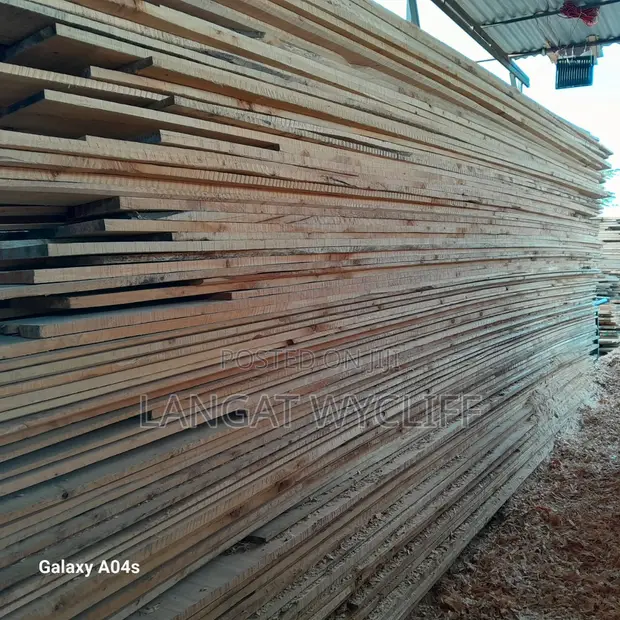
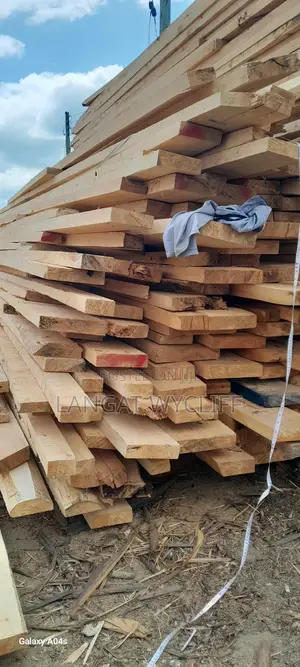
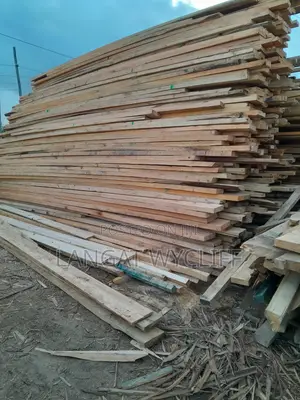
• Various wood species suitable for joinery and woodworking projects. • Ideal for furniture making, cabinetry, and decorative elements. • Available in different cuts and dimensions to suit project needs. • Natural wood grain patterns offer aesthetic appeal. • Can be finished with stains, varnishes, or paints. • Consider moisture content for indoor or outdoor applications. • Consult with a wood specialist for optimal species selection.